


Blog
Managing drought: an increasing threat on the horizon

“Due to centuries of industrialisation and extraction of natural resources, the UK is now one of the most nature-depleted countries in the world” Environment Agency, 2022 ‘Working with nature’. The Environment Agency recently issued a stark warning about the ‘existential’ threat to humanity of the dual climate and biodiversity crises.


Shieldbug nymph (Photo credit: Steph Rowlands)
We rely on nature for clean water, clean air, climate regulation, recreation and food. But biodiversity has diminished, and natural resources have depleted. So with a growing population and increasing demands, how can we reverse the damage done?
Over hundreds of millions of years of evolution, species have adapted to and changed their environments, forming a network of symbiotic and predatory relationships with other species. With a quarter of mammals and a fifth of plants in England facing extinction and wildflower meadows and wetland habitats all but vanished, these fragile relationships hang in the balance.
Under the threat of climate change, the human population cannot thrive without halting the decline of biodiversity and restoring habitats. But we need to balance this with the needs of a growing population (increased agricultural production, urbanisation, infrastructure, forestry and water usage).
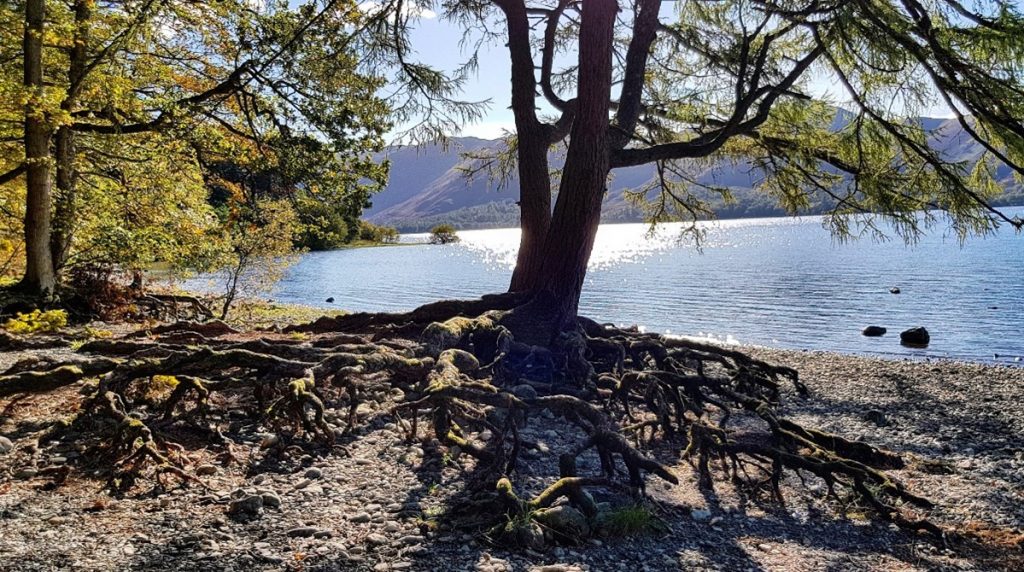
Derwent Water (Photo credit: APEM’s Thomas Worrall)
Pressures on habitats, wildlife and ecosystems are coming from land use, climate change, pollution, invasive non-native species and hydrological change. ‘Working with nature’ suggests multi-benefit “landscape-scale” changes to land use, where possible through nature-based solutions: ways of working with natural processes to provide benefits to people and nature.
Nature-based solutions involve the protection, restoration and management of natural and semi-natural ecosystems. They must be intended to benefit biodiversity and consider and improve the ecological resilience of the environment. Examples include tree planting, flood management and species reintroductions.
The Environment Agency have been working with local authorities, businesses and community groups to protect and re-wet peat for water security and quality. Peatland acts as a sponge, so restoration and rewetting can reduce flooding. 72.5% of water in UK reservoirs is peat-fed and therefore naturally filtered, meaning less chemical treatment is required. And they can help mitigate climate change: globally, peatlands store more carbon than all of the world’s forests combined. They provide a habitat for specialist species such as sphagnum moss and provide recreational benefits too.
Any solution should be carefully managed to benefit as much of the ecosystem as possible. An increase in tree planting has obvious benefits, from clean air, timber, carbon storage, water quality, flood alleviation and healthy soils, to biodiversity and providing shade for fish in rising water temperatures. But different types of trees have different rates of carbon drawdown, biodiversity value and commercial value. And past endeavours have put pressure on biodiversity and damaged some ecosystems, mainly through planting monocultures that did not promote local genetic diversity.
We are still developing solutions for some biodiversity issues. Of the 2,000 non-native species currently in the UK, 250 are classed as invasive due to their negative impact. The spread of invasive non-native species (INNS) is increasing, partly due to trade and travel, as well as weather changes expanding the range of plant pathogens and crop pests. It is estimated that between 10 and 12 new species establish themselves in the UK each year, and around an eighth of those will impact native species. For more information on identification, monitoring and mitigation, speak to our terrestrial, freshwater and marine INNS teams.
Climate change has unsettled ecosystems, seeing animals move northwards and rising river temperatures affecting fish populations. Climate change mitigation through carbon sequestration (or storage of CO2) and biofuel cultivation have been suggested, as well as flood management through tree planting and wetlands restoration. The ‘urban heat island effect’ could be helped by planting and changes to infrastructure such as green roofs, which are also beneficial for biodiversity.
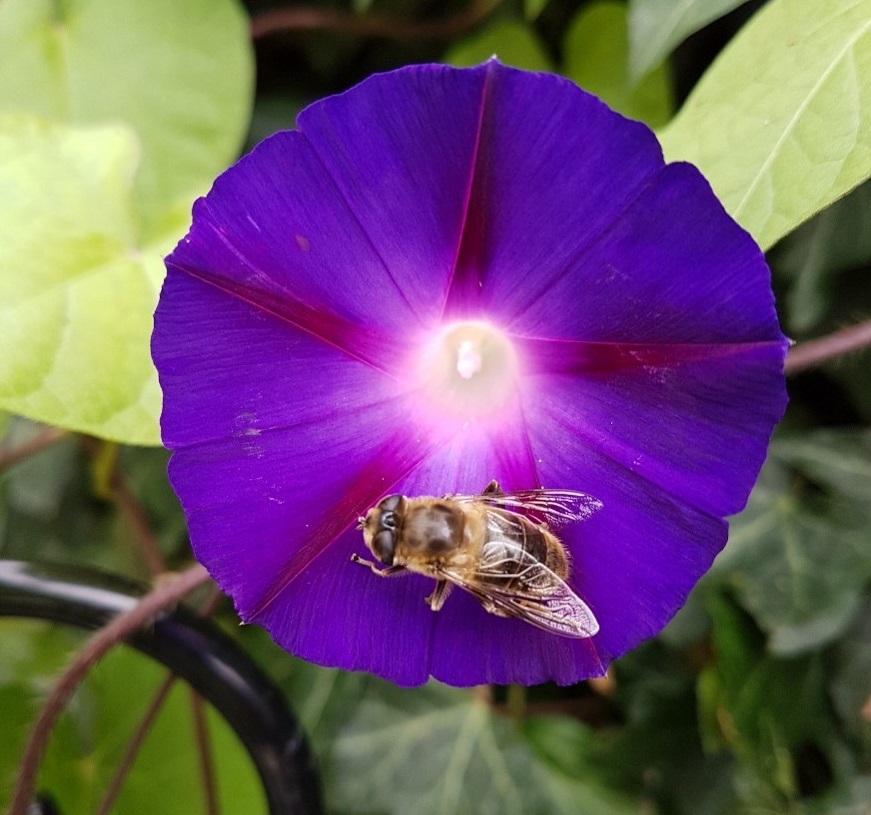
Pollinator (Photo credit: Steph Rowlands)
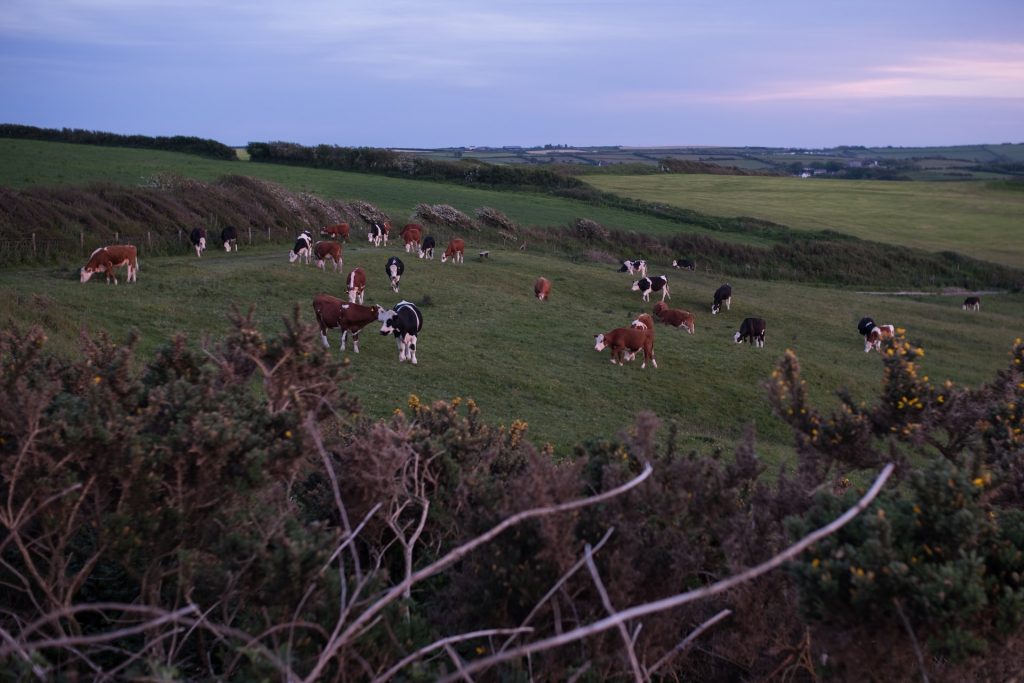
Typical farmland in Devon
To sustain life on earth we need the basics: food, clean water, clean air and climate regulation. And some of these resources are dwindling in the face of biodiversity decline and climate change.
But we also need to sustain our growing population and live alongside these vital ecosystems. APEM specialise in finding solutions that can help to protect and restore the natural environment, and allow industries to continue to provide us with the necessities.
We provide our clients with expert advice on biodiversity, with high quality monitoring and management services in relation to rare, protected and specialist species. For our clients in the water industry we detect pipe leaks from the air, undertake fish rescue and relocation and provide world-class laboratory assistance for water quality analysis. And working with the construction, transport and infrastructure industries we help to maintain environmental obligations during development and construction with ECoW services, land use mapping and protected species surveys.
By making choices that are suitable to local conditions, and connecting habitats to support biodiversity, we can help all species, including humanity, to make progress while adapting to climate change and the changing landscape.
Climate change and biodiversity decline affect all of the industries we work with, from planning and consenting to species identification and INNS monitoring. To speak to a member of team about any of these issues, contact us.

Drought is an ever-present threat on the horizon in the UK and potentially for Ireland we look at the challenges and explore how to manage drought
+ Read more

Dr Adrian Williams presented “Leading Together for Net Zero Success” at the EA Business Summit, looking at how ESG is woven into APEM operational strategy
+ Read more