


Blog
Testing the water – without getting wet: eDNA as a technique f...


Invasive and non-native species (INNS) or Invasive Alien Species (IAS) are one of the greatest drivers of biodiversity loss, can affect human health, and impact on natural capital and ecosystem services, resulting in a combined estimated annual cost to the UK of £1.7 billion per annum. In response there are increasing regulatory requirements being implemented globally to more effectively manage this growing issue.
We have extensive experience, with internationally recognised experts, providing our services to a broad range of clients, including government bodies, port authorities and water companies, tackling a diverse range of INNS related issues. Our expert team takes a multi-disciplinary approach in providing a range of bespoke services to our clients.
Monitoring and surveillance
Our scientists are internationally recognised in the field of INNS detection and identification. APEM’s specialists have an in-depth understanding of a broad range of survey and monitoring methods, including type-specific and novel methods such as aerial remote sensing for riparian plants, rapid assessment surveys of marinas for target species and ballast water analysis. We also have experts in house who can provide advice on eDNA sampling, analysis and interpretation. APEM offer bespoke monitoring programme design and delivery services to meet our clients’ needs.
The team have been instrumental in first identifying several marine and freshwater INNS new to the UK, including demon shrimp (Dikerogammarus haemobaphes), migrant prawn (Palaemon macrodactylus), the polychaete worm (Hypania invalida) and quagga mussel (Dreissena rostriformis).
Assessment of risks
APEM have extensive experience of conducting assessments to aid in prioritisation and decision making. We have assessed risk of introduction and spread of INNS for discreet locations (e.g. SROs and ports), of specific pathways (such as raw water transfers) and at the species level. With our natural capital experts, we are able to assess impact on ecosystem services to aid in prioritisation and decision making. We have a range of tool kits and methodologies specifically designed for assessing INNS related risks and informing the development of options appraisals and biosecurity plans.
Biosecurity
We provide expert advice on efficient and cost-effective biosecurity measures aimed to reduce the risk of introduction and spread from occurring. We examine both existing and novel approaches and have produced biosecurity plans for a range of sites and activities, such as ports and marinas, water transfers and recreational activities.
Control and eradication
APEM design and deliver control and eradication programmes for populations of INNS. We use evidence provided by our assessment and monitoring services to inform the development of programmes to increase chances of success. Read our case study of the eradication of signal crayfish from Dalbeattie reservoir in Scotland here.
Bespoke services
With our combination of technical specialists and non-native and invasive species experts we are able to provide a bespoke service, either as a whole management programme covering monitoring, assessments, biosecurity, control, advice and delivery, or individual elements depending on the clients needs. We can also provide training, workshops and presentations at any level on all aspects of non-native and invasive species management.

Our highly skilled taxonomists have a track record of recognising and publishing previously un-reported non-native species the marine and freshwater environments.
Scientists at APEM were the first to identify Dikerogammarus haemobaphes and Hypania invalida in fresh waters in Britain, Palaemon macrodactylus in British estuaries and Crepidula fornicata in subtidal waters in Northern Ireland.
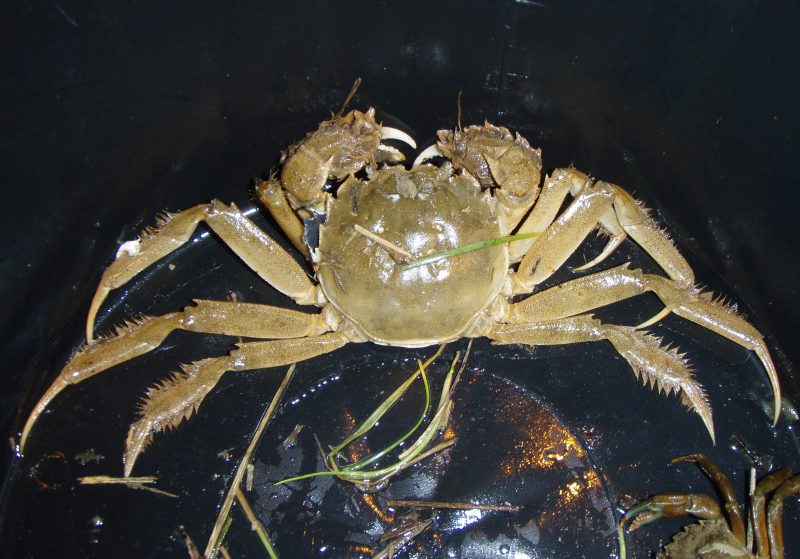
The team at APEM would be happy to answer any questions you have about invasive non-native species management. Please use the form below to get in touch.
Read one of APEM’s blogs, news articles or case studies to find out more.

Environmental DNA, or eDNA, describes the genetic material that can be obtained from an environmental sample such as water, sediment, snow, or soil
+ Read more

A coastal ecologist’s insight into where to find marine invasive and non-native species along the UK coast
+ Read more

Managing INNS (Invasive and Non-Native Species) is often underpinned by the application of risk assessments to aid in prioritising and targeting management
+ Read more

Non-native fish can damage our aquatic environments and threaten biodiversity on a global scale
+ Read more

Small invasive plants are often overlooked as site managers target large dominating species we explore the threat posed by little plants
+ Read more
Lakes and ponds are particularly susceptible to invasive species APEM are experts on invasive non-native species, find out more
+ Read more
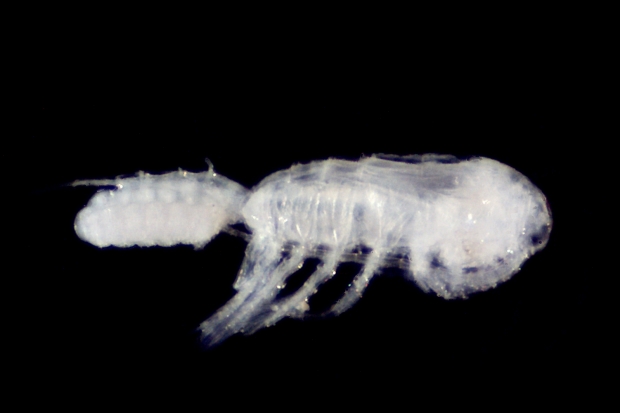
Currently most non-native copepods are considered unlikely to cause considerable damage to an ecosystem so are classed as harmless and non-invasive
+ Read more

With the number of marine invasive and non-native species (INNS) in the UK ever-increasing, the chances of finding one or more on-site have never been higher
+ Read more
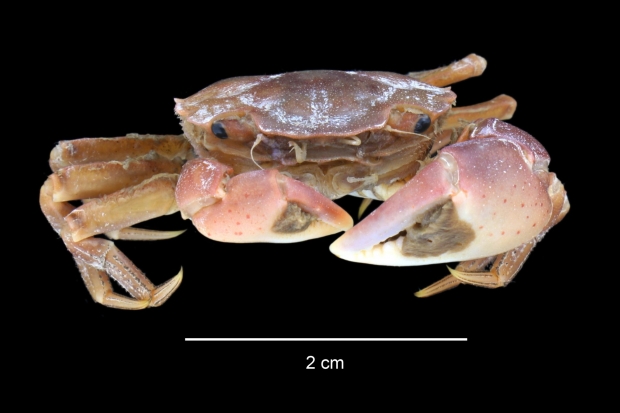
We share how to find and recognise invasive and non-native species APEM's team of non-native species experts can help with identification and management
+ Read more