


A day in the life
Meet Isabel Black from APEM’s marine BioLabs team


The British Isles are (by name and nature) made up of many islands and therefore surrounded by sea. This poses a large environmental threat to biodiversity from invasive and non-native species (INNS) or invasive alien species (IAS) via introduction through our marine ecosystem.
Our extensive experience and internationally recognised experts are called upon by clients, including recreational marinas and ports, to provide them with a range of bespoke services to tackle this environmental concern.

APEM’s approach to tackling issues related to INNS / IAS is a multi-disciplinary one, covering not only the marine environment, but aquatic and terrestrial too.
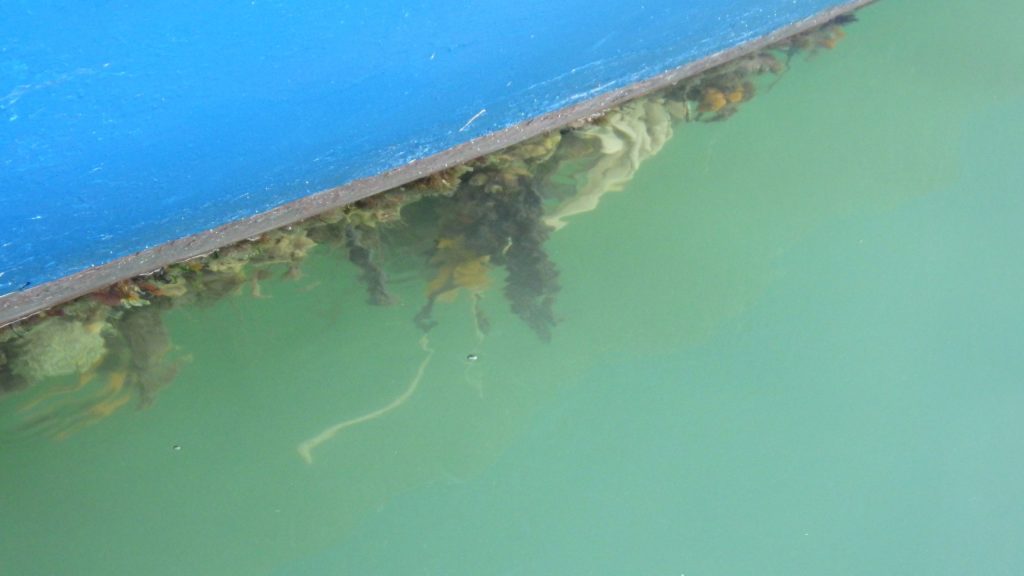
Didemnum vexillum under water
Marine habitats, including recreational marinas and leisure ports, act as species reservoirs, encouraging the growth and spread of species by providing a suitable surface for them to colonise. Once established they can attach to visiting boats and vessels, moving on to and colonising other sites as the boat moves from location to location.
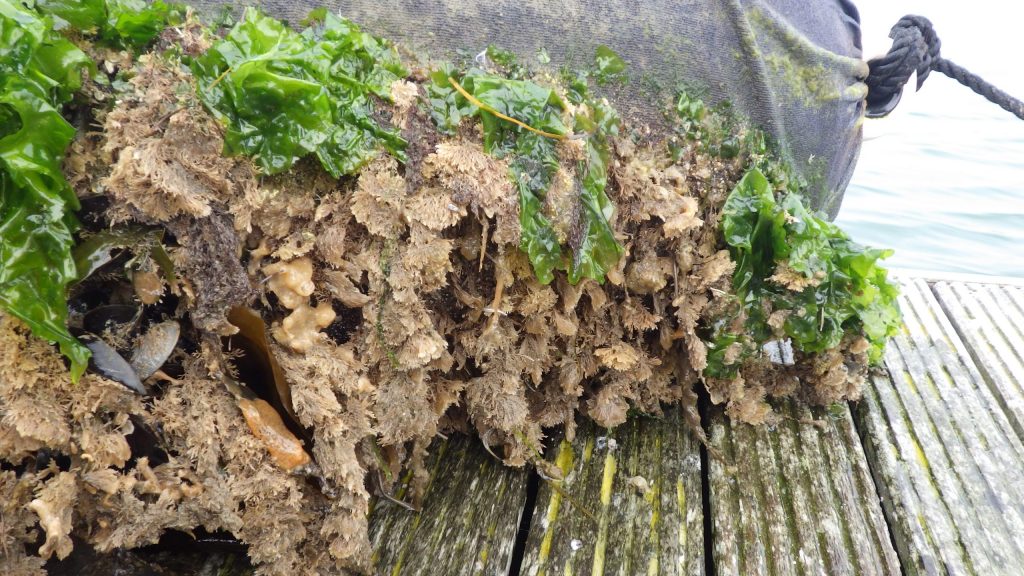
Bushy Bryozoan
The ecological damage caused by invasive marine species can be extensive. They can smother native species which is problematic for filter-feeding species, such as some sea squirts and mussels. Marine invasive species can also cause negative economic and social impacts as well.
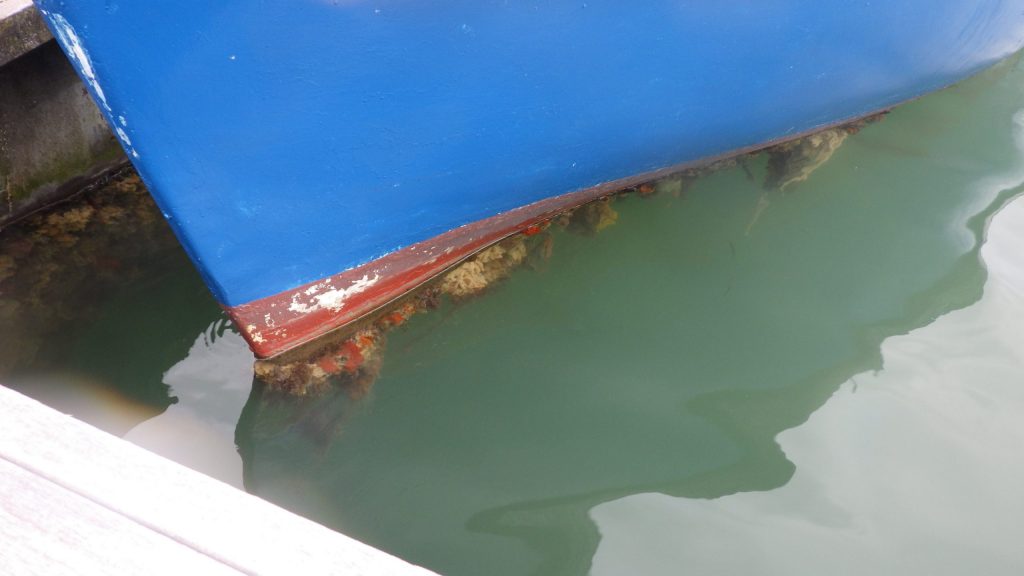
Didemnum vexillum
Costs incurred include the regular cleaning of marina pontoons to alleviate weight caused by invasive species; spraying down boat hulls to reduce drag caused by biofouling; and cleaning aquaculture equipment such as cages to allow for normal water flow and stock growth. For example, the carpet sea squirt, Didemnum vexillum, is an INNS of particular concern globally, as once it gains a foothold (typically in marinas), it is known to smother pontoons, boat hulls, fishing gear, buoys and other marina equipment. Unfortunately for marina operators and aquaculture facility operators, eradication is extremely challenging and costly (and not always guaranteed).
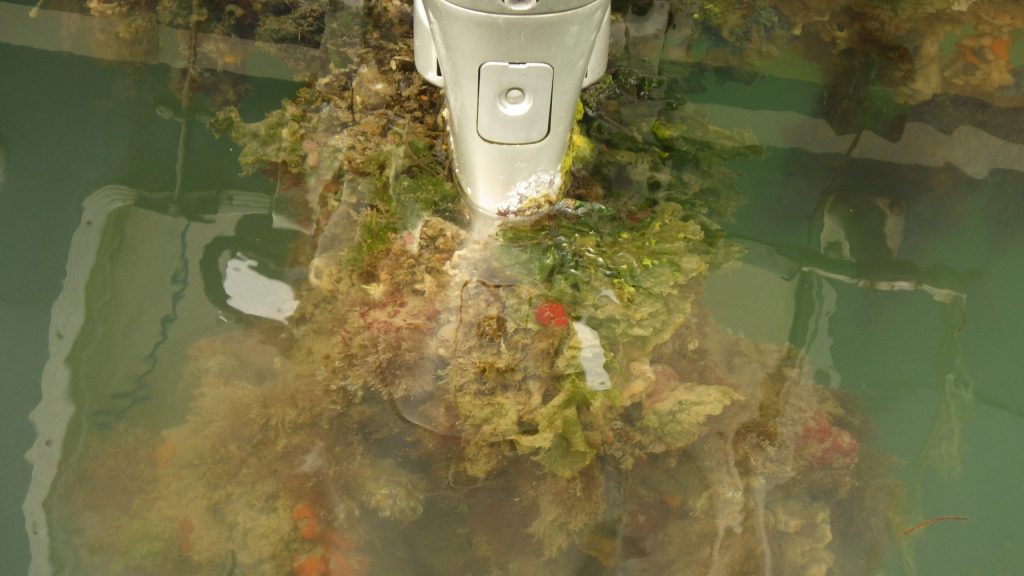
Sea squirts and Bryozoans
The list of species identified and found in British waters is constantly growing; a short list of the riskiest species includes:
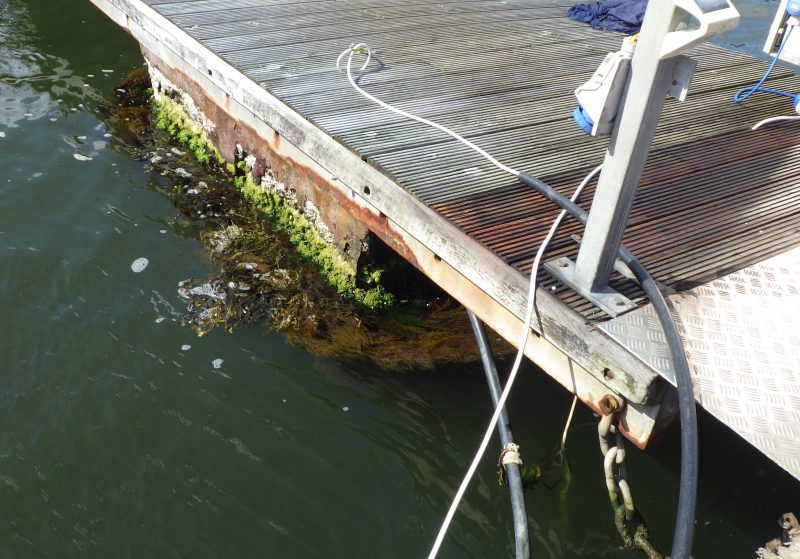
Wireweed
APEM’s approach to INNS management in the marine environment is completely integrated. All work is undertaken in-house and includes expertise from a national field team, internationally renowned marine taxonomists and laboratory analysts, invasion biologists, freshwater and marine ecologists and marine consultants.
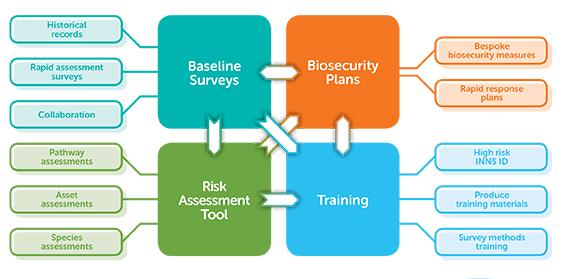
Assessing the risk
APEM’s unique risk assessment tool is pivotal in identifying pathways of spread. Originally created for freshwater environments, it has evolved to incorporate marine environments, assessing pathways of introduction and spread, asset assessments (such as pontoons and ferry terminals), and evaluating high risk or horizon species (potentially invasive species which are not yet present but likely to become present in the area in the near future).
Biosecurity risk assessment and plan development
APEM’s specialists produce bespoke biosecurity plans based on data captured on site, historical data and years of practical experience. This ensures that proactive biosecurity measures can easily be implemented, helping to minimise biosecurity risks.
Globally, there are growing concerns regarding marine invasive and non-native species, although currently, monitoring and biosecurity in the marine environment is not a statutory requirement in the UK and Ireland. However, environmental agencies and organisations have begun gathering INNS data to develop management strategies in order to be prepared for any future requirements or regulations.
Baseline data surveys
Understanding what INNS are present and where is a critical first step in any management programme. By detecting and identifying species early through baseline surveys, our scientists determine the abundance and distribution of INNS.
A Rapid Assessment Survey (RAS) is a robust method for surveying large areas by employing a semi-qualitative approach. Target INNS are recorded on an abundance scale during timed searches of specific habitats. Undertaken by trained surveyors and combined with photographic and video evidence, a RAS records the biological collection of INNS that might live deeper than what can be observed from the surface.
Species identification is performed by trained taxonomists and APEM’s in-house marine BioLabs specialists who analyse samples from not only the UK and Ireland, but from across the world as well. APEM’s BioLabs team have had many scientific papers published which have contributed to academic literature, and are internationally recognised by the larger scientific community.
Training and workshops
By educating on-site staff you can mitigate risks and keep ongoing issues to a minimum. APEM design and deliver in-person or virtual INNS and biosecurity workshops that can also be tailored to aid with stakeholder engagement. Contact us to find out further information and pricing options based on deliverables and size of workshop.
The team at APEM would be happy to answer any questions you have. Please use the form below to get in touch.
Read one of APEM’s blogs, news articles or case studies to find out more.
Meet Isabel Black who recently joined APEM's marine BioLabs team
+ Read more

A coastal ecologist’s insight into where to find marine invasive and non-native species along the UK coast
+ Read more

With the number of marine invasive and non-native species (INNS) in the UK ever-increasing, the chances of finding one or more on-site have never been higher
+ Read more