


Blog
Pole to pole (almost) and back again with invasive and non-nat...


Invasive and Non-Native Species (INNS) and Invasive Alien Species (IAS) are one of the leading threats to biodiversity in the modern world. And some of the most commonly known INNS in the UK and Ireland are found in the terrestrial environment. Well-known and recognised species include Japanese knotweed (Fallopia japonica), Rhododendron (Rhododendron ponticum), Muntjac deer (Muntiacus reevesi) and Ring-necked parakeet (Psittacula krameria).
With a combination of practical field experience and knowledge of detection and control methods, our dedicated INNS team offer help with all aspects of invasive species management, from identification surveys, to eradication and monitoring and finally, habitat restoration and improvement.
APEM offer a full range of surveys and services to detect terrestrial invasive and non-native species of plants. With the ability to cover hundreds of miles, our ultra-high resolution aerial surveys are perfect to map larger areas that are inaccessible or difficult to access on foot. State-of-the-art digital cameras are fixed on gyro-stabilised mountings on a specialised survey aircraft, allowing us to survey large areas quickly and cost-effectively to a resolution of up to 1.5cm per pixel.
Using specialist software, images captured are geo-referenced and turned into detailed composite images which are then individually examined by our experienced image analysts, identifying signs of invasive plant species, such as the pink flowers of Himalayan balsam.
An overlaid algorithm automatically creates maps that show the various types of vegetation across the landscape to establish the location, type and extent of invasive species. Ground-based surveys will then validate and confirm the classification.
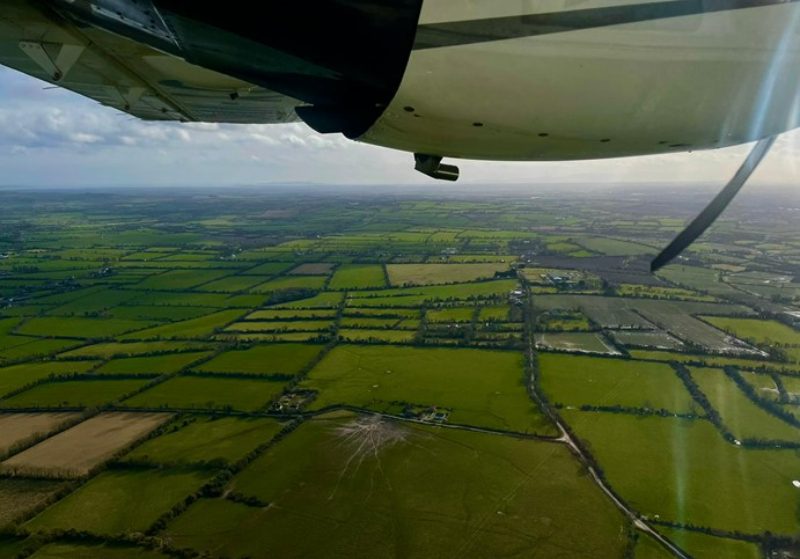
An aerial image taken by APEM on a remote sensing aircraft
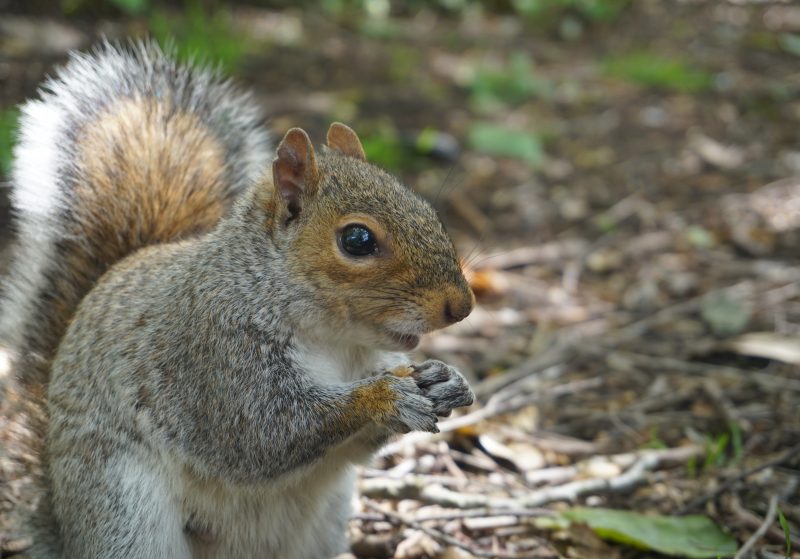
A Grey Squirrel
It’s not just the ‘big three’ invasive plants that can cause an issue: there are plenty of lesser-known, smaller species that cause just as much environmental damage. Easily-spreading plants such as Pirri Pirri Bur can out-compete native flora, impacting on the organisms that depend on them.
Detection and control methods for invasive animal species such as grey squirrels (Sciurus carolinensis) or American mink (Neovison vison) rely on technology such as motion-activated cameras, footprint tunnels and trapping, along with interaction with citizen scientists.
In some cases, eradication is difficult to achieve, so the aim can only be species control and reduction, with ongoing monitoring.
Removing INNS will aid biodiversity, but careful consideration should be given to rewilding and habitat improvement, to ensure that the right native plants and trees are reinstated.
Using the natural capital approach, APEM’s multi-benefit methodology helps evidence the impact of INNS, so that habitat restoration schemes achieve greater results for the environment and local stakeholders. Natural capital assessments can be combined with biodiversity net gain assessments to make sure that restoration has a measurably positive effect on the environment.
Find out more about APEM’s wider terrestrial offering.
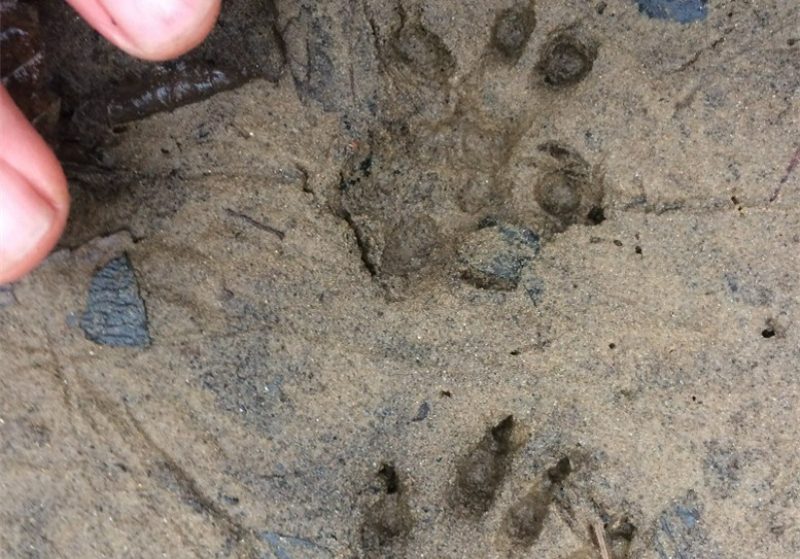
American Mink footprints
Common name:
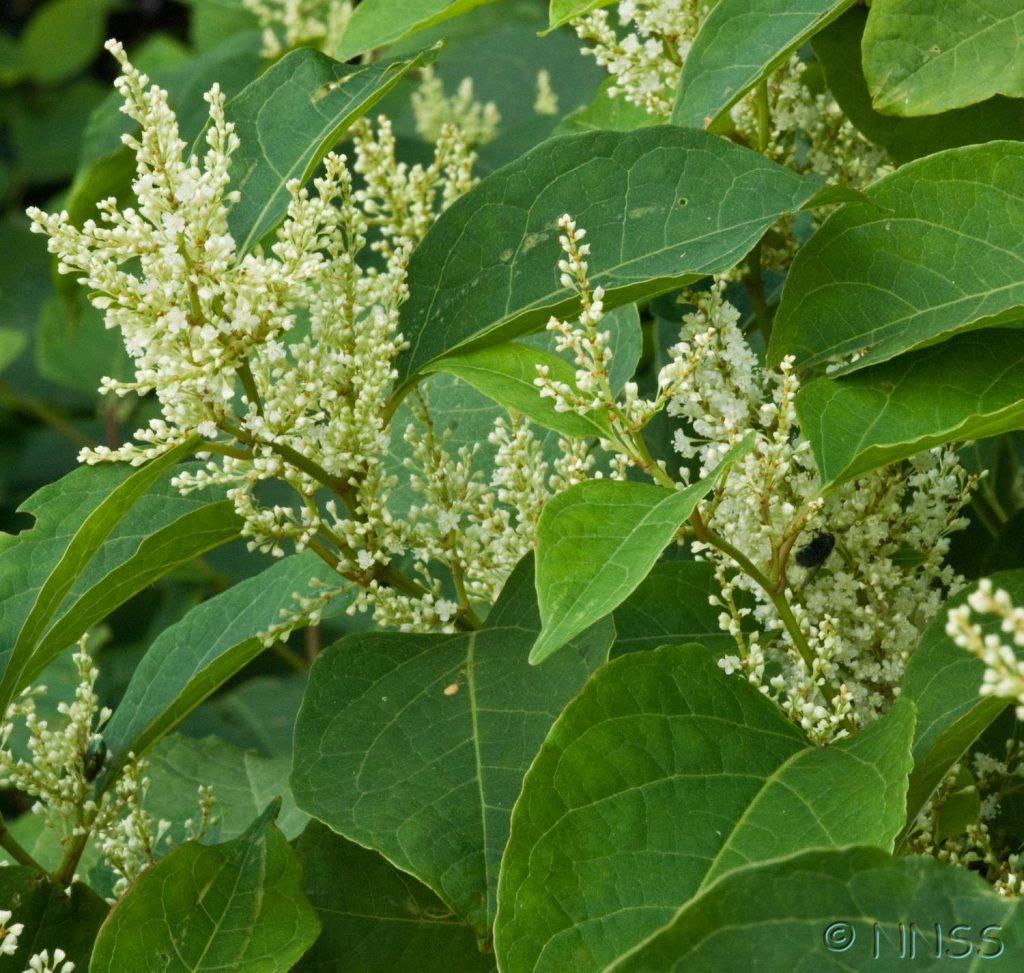
Japanese Knotweed Flowers ©GBNNSS
Scientific name:
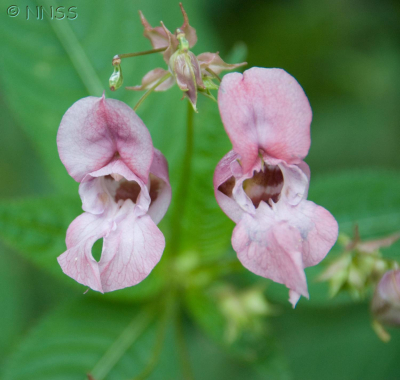
Himalayan balsam ©GBNNSS
Scientific name:
Scientific name:
Common name:
Scientific name:
The above lists are not exhaustive, so if you are experiencing a problem with INNS or you’d like to find to find out more about the full range of services APEM offers, please get in touch using the form below.
APEM team have extensive expertise in riparian, aquatic and marine (including estuarine) INNS, and our experience in terrestrial invasion biology provides us with even more depth to provide our clients with joined-up, quality services covering all ecosystems.
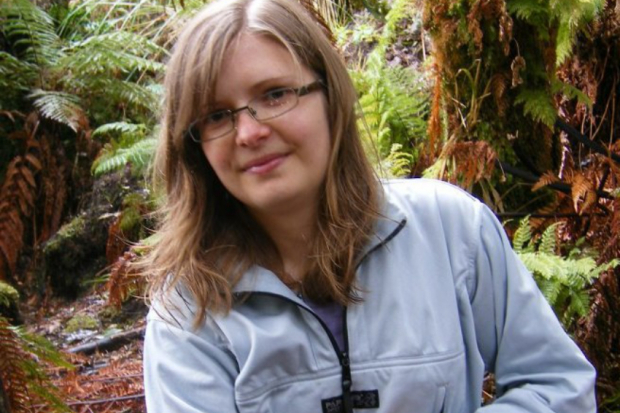
Welcome to Sarah Atkinson, APEM’s latest recruit to the expanding INNS team
+ Read more
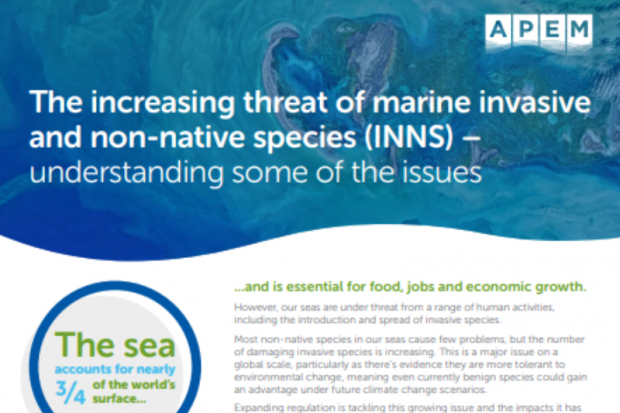
Our seas are under threat from a range of human activities, including the introduction and spread of invasive species – find out more in our infographic
+ Read more
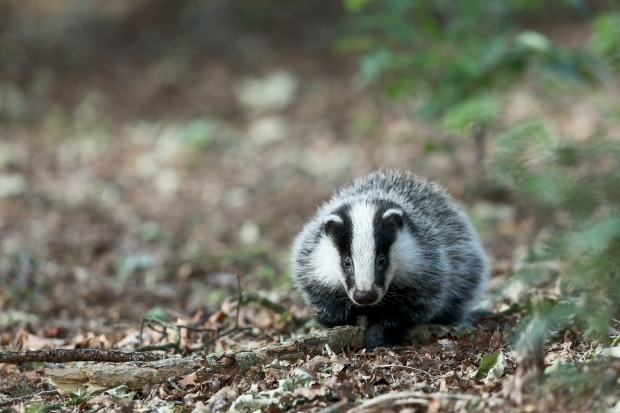
Download our terrestrial survey calendar to help support and plan your environmental surveys
+ Read more