


Blog
APEM welcomes the Biodiversity Metric 3.0 to support the deliv...


Our established team of terrestrial ecologists work in collaboration with the APEM aquatic ecology team, ensuring a harmonised approach, whatever your needs. Supported by an extensive field survey team and in-house laboratory analysis, APEM provide our clients with a comprehensive service offering.
Our team of experienced ecologists and technical specialists work across the UK and Ireland to support clients through every stage of the development and planning process. We collect and evaluate data, assess impacts, design ecological mitigation, and provide reports and plans to inform our clients’ projects.
We provide ecological expertise from initial site assessments through to implementation of mitigation and consultation with LPAs (Local Planning Authorities) and statutory nature conservation organisations.

Our team’s extensive expertise enables us to deliver a comprehensive terrestrial and aquatic ecology service for our clients. Our industry-leading in-house capabilities in remote sensing and digital aerial surveys support our ecological work in producing exceptional mapping detail and accuracy. This ensures we can undertake surveys wherever our clients are, even when access restrictions or difficult terrain would normally be a constraint.
APEM’s terrestrial ecology services include:
Our expert teams further support projects by providing ecological input into Construction Environmental Management Plans (CEMPs), Risk Assessment Method Statements (RAMSs) and Landscape & Ecology Management Plans (LEMPs).
APEM regularly work with, and under, UK and Irish regulatory frameworks including Natural Resources Wales, Natural England, and Nature Scotland to deliver development licence applications. We also consult with the regulators on behalf of our clients, to secure positive outcomes for projects and nature conservation.

An Ecological Clerk of Works (ECoW) or Environmental Clerk of Works (EnvCoW) provides advice about ecological and environmental issues during the construction of a development. Typical issues include protected species, pollution, surface water management, material management, air quality and noise.
APEM perform Clerk of Works for many clients across several industries including water and construction. As well as being able to provide in person work, the team are equipped to make the most of technology and can also support with a range of virtual services.
APEM are experienced in providing baseline, ecological impact assessments and reports to inform the ecological aspects of EIAs, including at the screening and scoping stages. We work across a wide range of sectors to ensure ecological impacts and assessment of alternatives are fully considered and advise on appropriate mitigation and compensation measures, as well as delivering monitoring and mitigation plans. Visit our Environmental Impact Assessment page to find out more.
A PEA is generally the first survey undertaken at a site at the outset of the development planning process. Our experienced team of ecologists carry out desk studies and conduct site assessments, including Phase 1 habitat surveys, to identify ecological features and determine constraints on site at an early stage. Once completed, the APEM team can then assess the need for any further targeted surveys and make recommendations in line with client programmes.
The ecology team hold licences for protected species including bats, dormice and great crested newts, and can provide timely and proportionate advice to support our clients. We conduct a broad range of species surveys to determine presence of a species on site, demonstrate how species use an area and provide guidance to develop mitigation plans or inform licence applications, including:
We have a wealth of experience in carrying out HRAs and work with a broad range of clients on terrestrial as well as marine, coastal, freshwater designated sites such as SACs (Special Areas of Conservation) and SPAs (Special Protection Area), where a HRA is required. Our assessments and studies allow clients to provide information required by regulators as part of an HRA. Visit our Habitat Regulations Assessments page to find out more.
Biodiversity Net Gain is an approach to development that leaves biodiversity in a measurably better state than before. It requires developers to ensure habitats for wildlife are enhanced via a demonstrable increase in habitat value compared to the pre-development baseline. Our highly experienced experts can work with you and provide guidance on achieving positive net gain through increasing natural habitats and ecological features as part of the development process.

The team at APEM would be happy to answer any questions you have about terrestrial ecology services. Please use use the form below to get in touch.
Read one of APEM’s blogs, news articles or case studies to find out more.

APEM responds to the new Biodiversity Metric 3.0
+ Read more
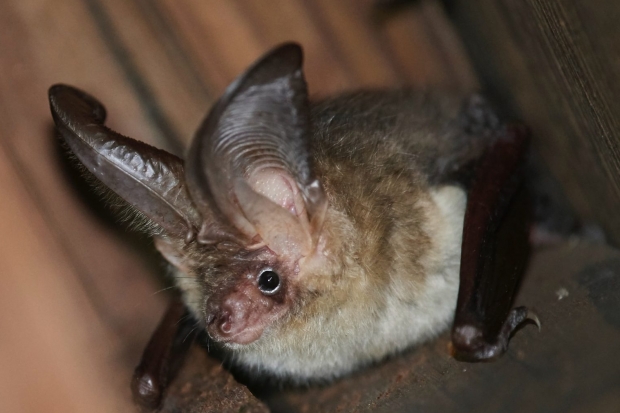
Our terrestrial consultant ecologist gives an overview of bat ecology, licencing and the laws around managing this protected species
+ Read more
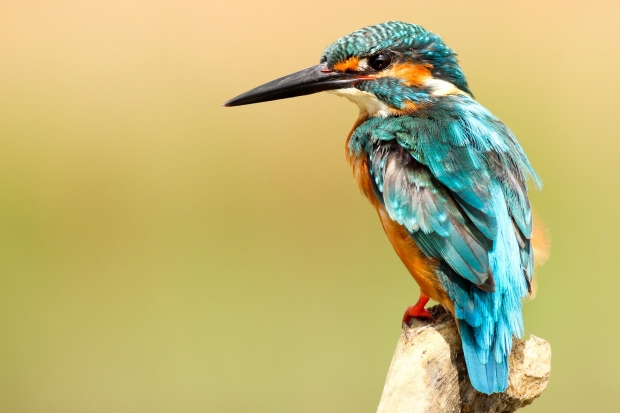
What is Biodiversity Net Gain (BNG) and when does it need to be implemented? We explain all and highlight what you need to do to meet new BNG rules
+ Read more