


Delivering biodiversity net gain (BNG)
Biodiversity net gain (BNG) is an integral part of the planning process, demonstrating that a development has had an overall positive impact on the environment.
+ Find out more
Landscape design must tackle many contemporary global challenges including climate change, habitat and biodiversity loss and increased urbanisation. Our landscape architects design spaces and places for people and nature to thrive, ensuring biodiversity net gain, increased resilience to climate change, sustainable outcomes and resource management.
Landscape Planning
Landscape Design
An LVIA, or Landscape and Visual Impact Assessment (or Appraisal) looks at the design, planning, management and maintenance of our surroundings, for the benefit of people and nature. Where there are concerns about the effects of a development on landscape and visual amenity (people’s visual appreciation of the landscape), an LVIA is carried out.
Landscape and Visual Impact Assessments (LVIAs) help identify and assess the changes that a proposed development will make on an urban, rural or coastal landscape and on visual amenity (people’s visual appreciation of the landscape and the views they enjoy).
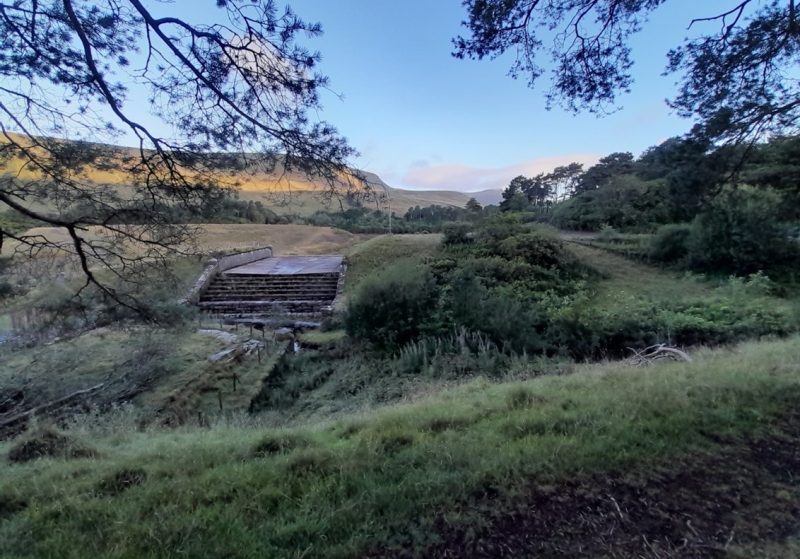
Lower Neuadd, Wales (photo by Millie Coe)
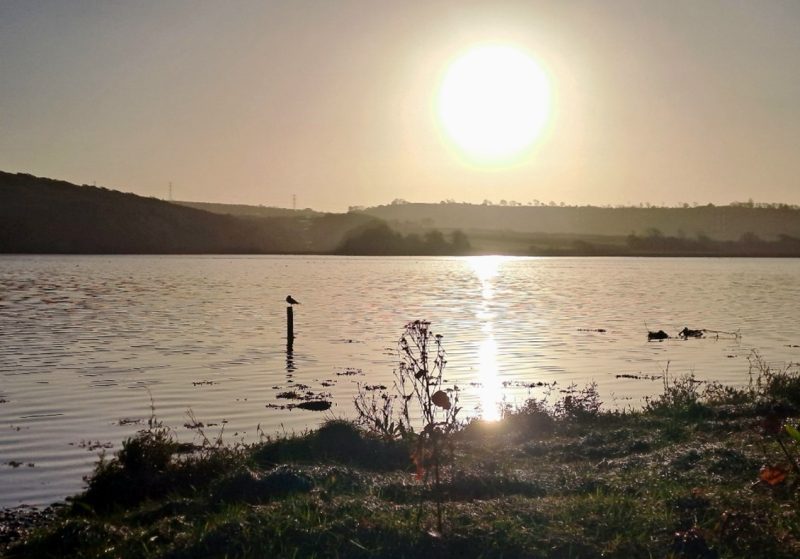
River Tavy, Devon (photo by Jodie Simmons)
The design, mitigation and management portion of an LVIA can form part of Biodiversity Net Gain (BNG) planning for developers and planners, with recommendations for aftercare spanning the lifetime of a development. Recommendations for mitigation can include:
To speak to the team about LVIAs or landscape architecture, contact us here.

Biodiversity net gain (BNG) is an integral part of the planning process, demonstrating that a development has had an overall positive impact on the environment.
+ Find out more
Our team of nationally recognised marine and freshwater scientists provide expert advice on biodiversity and species protection in all aquatic habitats.
+ Find out more
Baseline, ecological and impact studies across habitats, sites and species including plankton, benthic invertebrates, fish, marine mammals, birds and wetlands.
+ Find out more
APEM use monitoring data to help our clients comply with environmental regulations and better manage their environmental risks and impacts.
+ Find out more