


Blog
Risk assessing pathways of invasion


Non-native species remain a global threat to biodiversity, APEM provide expert advice on the identification, monitoring, risk assessment, control and management of invasive non-native species in marine, terrestrial and freshwater environments.
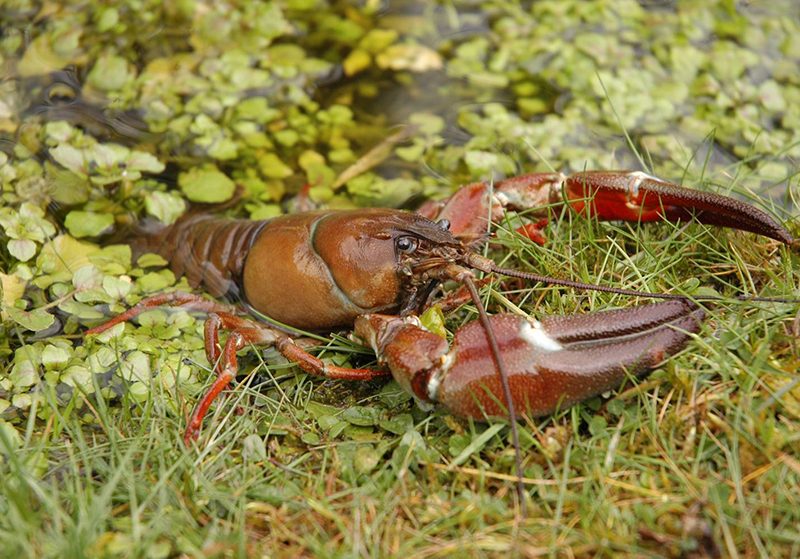
One of the more common, yet voracious INNS found throughout England, Scotland and Wales is the signal crayfish (Pacifastacus leniusculus). APEM’s internationally renowned experts develop and deliver everything from baseline surveys, assessments and biosecurity plans through to bespoke training and workshops.
With a national field team, inhouse freshwater taxonomists and laboratory analysts, invasion biologists, freshwater ecologists and consultants, our approach to INNS management is truly integrated.

Every shoreline, estuary, pontoon, sea wall or rock pool plays a role in the marine INNS story. Over recent years, the popularity of watersports has risen rapidly, however, with greater participation comes increased levels of marine INNS being introduced and spread.
INNS are more opportunistic than native species and can colonise onto hard substrates quickly including the hulls of boats and ships. This means that they can be carried from port to harbour to marina, around the world, rapidly and mainly undetected.
As well as ‘The Big Three’ Japanese knotweed, Himalayan balsam and giant hogweed, the specialists within the non-native species team at APEM provide expert advice and biosecurity plans for other, lesser-known species.
It is possible to identify and map many terrestrial or plant-based INNS using ultra-high resolution aerial surveys. Species include New Zealand pygmyweed (Crassula helmsii), Canadian and Nuttall’s waterweed (Elodea canadensis and Elodea nuttallii) and the common garden Rhododendron (Rhododendron ponticum), one of Ireland’s more common invasive non-native species.

The team at APEM would be happy to answer any questions you have about invasive and non-native species. Please use the form below to get in touch.
Read one of APEM’s blogs, news articles or case studies to find out more.

Managing INNS (Invasive and Non-Native Species) is often underpinned by the application of risk assessments to aid in prioritising and targeting management
+ Read more

Small invasive plants are often overlooked as site managers target large dominating species we explore the threat posed by little plants
+ Read more

Environmental DNA, or eDNA, describes the genetic material that can be obtained from an environmental sample such as water, sediment, snow, or soil
+ Read more

Non-native fish can damage our aquatic environments and threaten biodiversity on a global scale
+ Read more
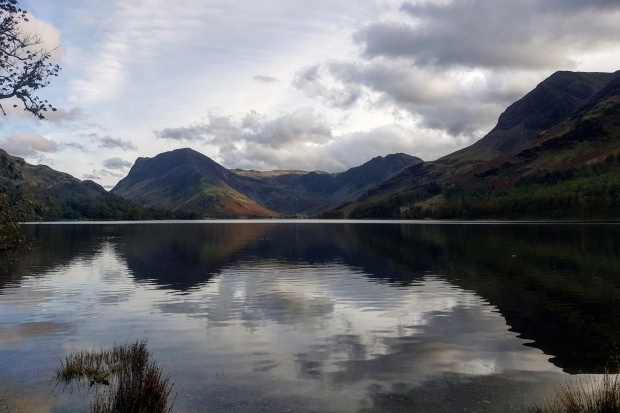
Lakes and ponds are particularly susceptible to invasive species APEM are experts on invasive non-native species, find out more
+ Read more

Invasive and Non-Native Species (INNS) in the terrestrial environment
+ Read more

A coastal ecologist’s insight into where to find marine invasive and non-native species along the UK coast
+ Read more
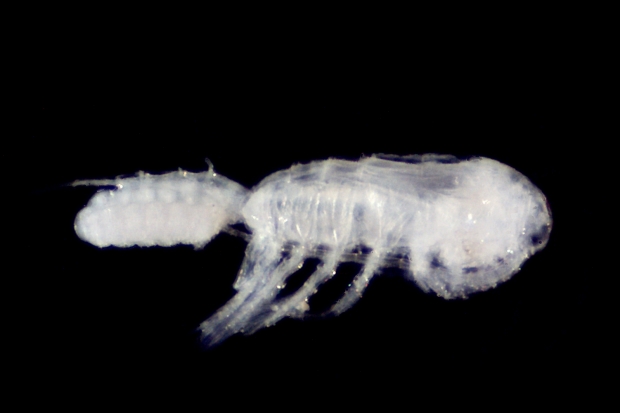
Currently most non-native copepods are considered unlikely to cause considerable damage to an ecosystem so are classed as harmless and non-invasive
+ Read more

With the number of marine invasive and non-native species (INNS) in the UK ever-increasing, the chances of finding one or more on-site have never been higher
+ Read more
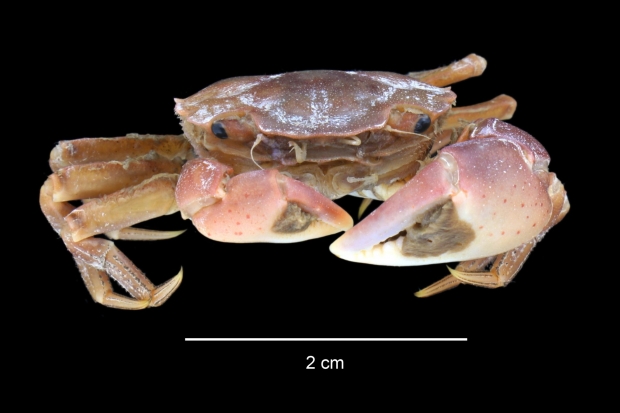
We share how to find and recognise invasive and non-native species APEM's team of non-native species experts can help with identification and management
+ Read more

Highly invasive signal crayfish were completely eradicated from a Scottish reservoir, protecting local rivers and a salmon fishery.
+ Read more