


Blog
Why it’s important to improve marine data quality

In a huge step towards ensuring consistency in identification of marine biological samples, the APEM team have issued a preliminary draft of standard recording policies for north-east Atlantic macrobenthic samples under the NMBAQC scheme. Including a draft Taxonomic Discrimination Protocol (TDP), the measures represent a significant step in making sure these tiny organisms are consistently classified and recorded.


Ophiura albida (photo: APEM Laboratories)
Under best conditions, all invertebrate macrofauna should be identified to species level. However, it is often not feasible to do so, if:

Alitta succinea (photo: APEM Laboratories)
APEM’s draft Taxonomic Discrimination Protocol for marine and estuarine benthic macrofauna aims towards a standardised approach to identifying problematical taxa or taxon groups. A large spreadsheet covering all the major families of benthic invertebrate macrofauna, the TDP indicates where it is acceptable not to go to species level identification. The overall aim is for different monitoring authorities, and contractors, to adopt a consistent approach to identification levels so that national datasets are comparable and consistent.
The TDP concept was originally launched in 2010 for the NMBAQC scheme by David Hall and Tim Worsfold. David said:
We are very proud of this critical work towards standardising marine and estuarine biological data. High resolution, robust and comparable data are key to monitoring and assessing marine benthic habitats. We are delighted to be progressing the TDP development with the NMBAQC scheme’s community of experienced participants.
As administrators of the NMBAQC scheme, the APEM labs team provide external quality assurance for the analysis of marine biological samples. The contract highlights the confidence in APEM to deliver audit and training services to the highest scientific standard. After all, the NMBAQC standards represent the benchmark in Europe, ensuring that datasets are quality assured, robust and defensible.
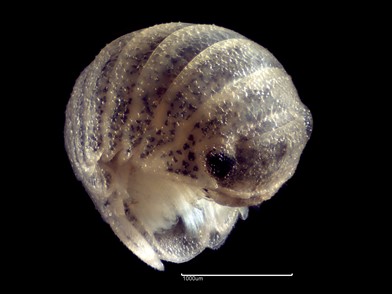
Lekanesphaera hookeri (photo: APEM Laboratories)
As well as providing consistency, the draft TDP makes greater use of potential samples. It is intended as an overarching protocol to allow for multiple uses and comparability across purposes, rather than for a particular sample type or survey purpose. The protocol sets the standard for basic principles to be established and tested, as a starting point for future refinement with input from other organisations.
It is hoped that the protocols will eventually become the standard against which audits are scored and the TDP will augment the International Standard 16665:2014 (EN ISO, 2014, updated from EN ISO, 2005) in terms of taxon recording policy. Progress beyond this report will link to other projects and establish the Scheme as the primary resource for information for north-east Atlantic benthos.
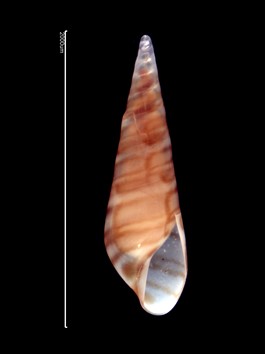
Eulima glabra (photo: APEM Laboratories)
The draft TDP is currently with 50 stakeholders across Europe for comment before year end. Keep an eye on our news page for updates to the NMBAQC scheme and the TDP.
As well as taking the lead in developing protocols and literature research for the NMBAQC scheme, APEM organise workshops, exercises and webinars. To keep up to date, register here.
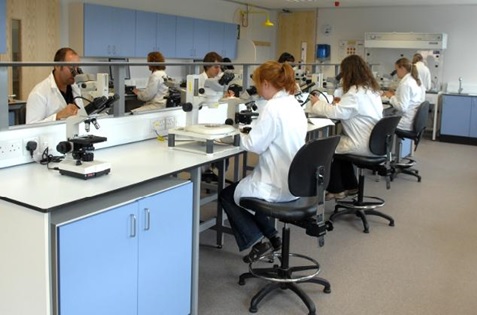
APEM technical specialist, Tim Worsfold, explains the issues around data quality and how these issues are addressed by standardisation through the NMBAQC scheme
+ Read more
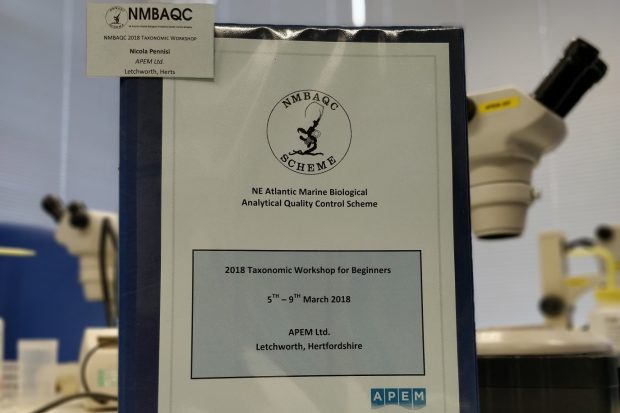
APEM Ltd succeeds in winning the NMBAQC scheme contract APEM will administer the benthic invertebrate, particle size and fish components of the Scheme
+ Read more