


Blog
Fine sediment pollution: implementing silt mitigation works


APEM offer expert scientific guidance on the management of sediments within river catchments to improve environmental habitats and water quality and develop sustainably functioning river systems.
Sediment management – fine grained sediment
The APEM team have specialist skills in sediment fingerprinting and experience of thousands of kilometres of walkover surveys which help identify sources of fine-grained diffuse pollution.
Land use issues
APEM have been pivotal in supporting the Environment Agency and other government bodies in catchment land use issues by undertaking key national sediment tracing projects, as well as developing the techniques on which these surveys were based. As a result, we have a comprehensive understanding of catchment land use impacts on watercourses.
Having a multi-disciplinary team ensures we understand the wider and often conflicting requirements in a catchment, and we strive to develop solutions for mutual benefit.

APEM play a key role in supporting clients in the monitoring and management of rivers and catchments, including developing strategic documents and methodologies which now underpin key aspects of SSSI and SAC management.
Key elements of this work include the interpretation and presentation of results in an ecological context, and the understanding of ecological receptors.
Our team’s expertise spans both sediment and ecological disciplines, and includes specialist understanding of fish, macroinvertebrates, macrophytes and diatoms, as well as the habitats of each of these species. This means we can interpret and present findings with specific reference to all these features of interest.
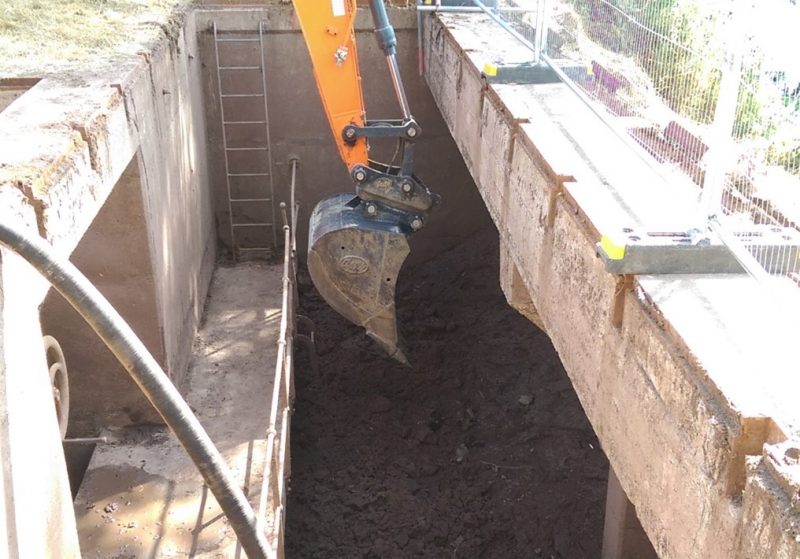
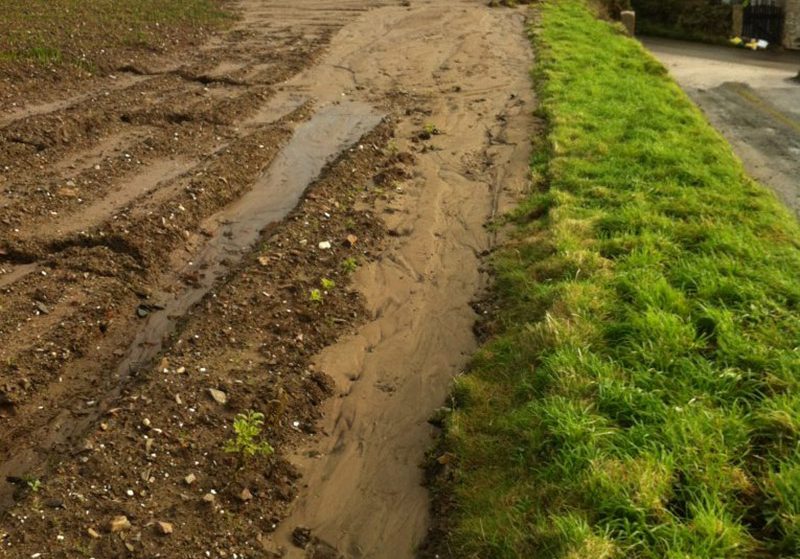
From years of undertaking client investigations and associated reporting of the subsequent findings, we have a sound understanding of the most appropriate reporting style required. This is particularly important given the often highly specialist technical elements of the studies.
We understand that the ultimate aim of the reports is to provide the evidence base that can be effectively communicated to stakeholders in catchments, to manage the areas effectively and improve the local environments wherever possible.
The team at APEM would be happy to answer any questions you have about our methods, reporting and technology. Please use the form below to get in touch.
Read one of APEM’s blogs, news articles or case studies to find out more.
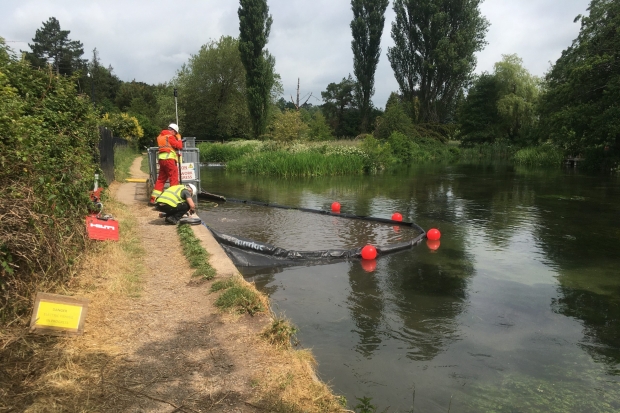
Construction in aquatic environments can have negative impacts on water bodies by disturbing fine sediment read our blog to find out more
+ Read more
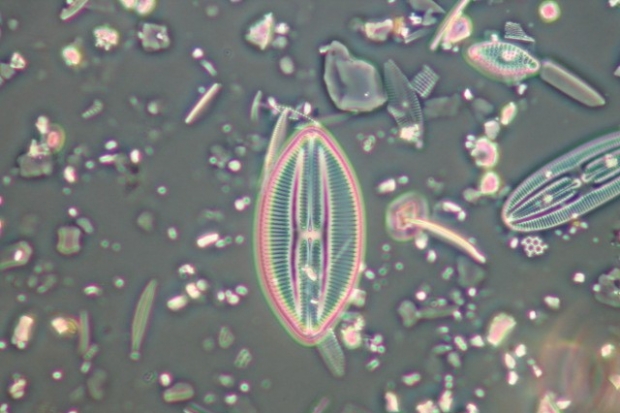
Diatoms are found everywhere, in our oceans, rivers, lakes, and soils the populations of diatoms found within water bodies can reveal all kinds of information
+ Read more