
APEM’s experienced team of biologists provides accurate identification of freshwater macroinvertebrates to species or family level, in order to produce reliable data to support the monitoring and assessment of freshwater ecosystems.
Our rigorous quality control systems ensure that all data is fit for purpose, and our large laboratories provide rapid responses for projects of any size.
Reliable and accurate data is essential to produce robust classifications of water bodies and inform environmental management decision making. APEM’s extensive experience in macroinvertebrate sample analysis, together with stringent quality assurance that exceeds the UK regulator standard, ensures that our data is of the highest integrity.
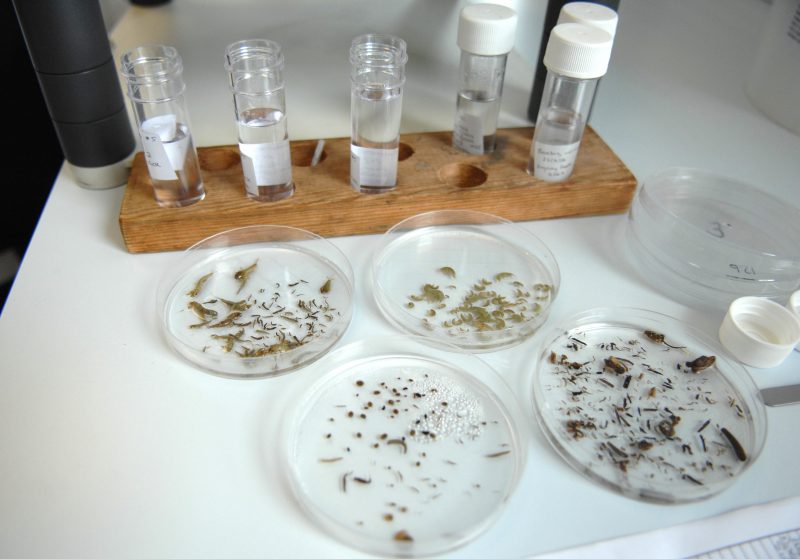
Accurate data begins with meticulous sampling and APEM staff are fully experienced in standard freshwater sampling methods including kick/sweep sampling, airlifts, colonisers and Surber sampling. These cover all freshwater habitats. Bankside analysis may be carried out when required, mostly for pollution incident assessments.
Our large team of specialists have many years’ experience of identifying macroinvertebrates from all types of lentic and lotic freshwater habitats and have been at the forefront in recording several species new to the British fauna.
From Europe’s largest dedicated aquatic biology laboratories, we offer unrivalled capacity and response times for macroinvertebrate samples from the UK and other European countries. We also offer audit services for UK regulatory bodies as well as other consultancies and can provide ring tests of specimens as an aid to training.


Our data reports include WHPT, LIFE, PSI and CCI as standard. We can also provide RICT analysis for Water Framework Directive water quality classification.
For more in-depth studies our freshwater specialists provide appropriate statistical analysis and modelling capability to enhance understanding of our river and lake systems.
The team at APEM would be happy to answer any questions you have about freshwater macroinvertebrate analysis, Please use the form below to get in touch.


