
Advancements in technology and techniques have seen an uptake in eDNA as an additional reliable survey method option. The expert team at APEM are using this innovation as part of their sampling treasure chest, designing site-specific surveys to meet the needs of our clients.
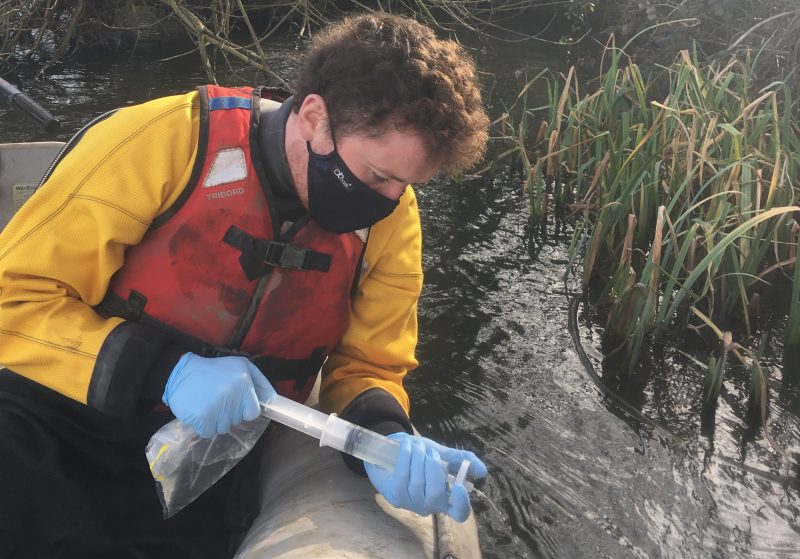
eDNA surveying at Wimbledon Park
For most freshwater species, traditional survey methods such as kick sampling and electric fishing remain the regulatory bodies’ preference for monitoring. However, they are increasingly recognising the role of eDNA as a complementary survey option.
For instance, eDNA has been a regulator-approved method for protected great crested newt (GCN) detection since 2014, and the Water Framework Directive – United Kingdom Technical Advisory Group (WFD – UKTAG) have recently published guidance on how to determine the WFD class for the lake fish biological element using eDNA.
APEM are regularly designing and delivering bespoke eDNA survey programmes to provide insight for:

eDNA has many benefits and is a method that not only provides specific species detection but can also be used to conduct biodiversity assessments and perform dietary analyses.
A single sample can be used to test for multiple un-related taxonomic groups e.g., fish, invertebrates, mammals, and some pathogens.
The many benefits of eDNA testing include:
eDNA is particularly good for sites of public interest or for confidential projects as it is less obvious and can be completed quickly. For example, electric fishing surveys require several team members and can attract a lot of attention from passers-by.
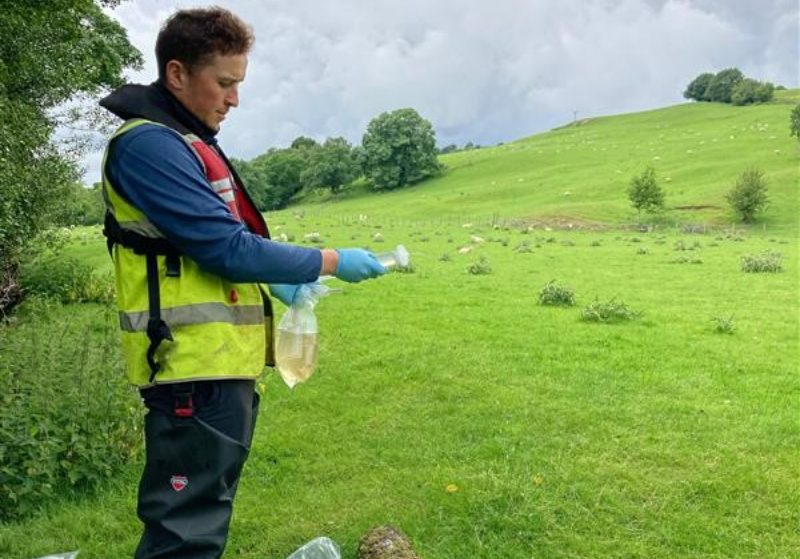
eDNA sampling fieldwork


An eDNA survey at Blithfield
At present, eDNA is still an evolving method and APEM will always recommend that eDNA surveys are designed on a case-specific basis. From our expert understanding of the field, we provide recommendations on the most appropriate sampling strategies, survey techniques and molecular assays for delivering the results required by our clients.
By understanding a few key parameters, APEM experts can confidently design a robust eDNA survey.

For example:
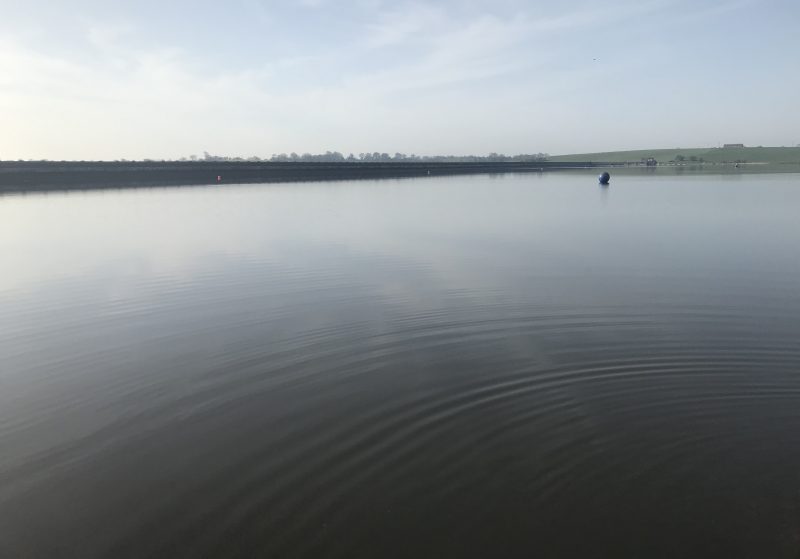
Blithfield Resevoir
The team at APEM would be happy to answer any questions you have. Please use the form below to get in touch.


